Reverse Osmosis Systems vs Water Softener Guide

June 17, 2026

Reverse Osmosis Systems vs Water Softener Systems Explained
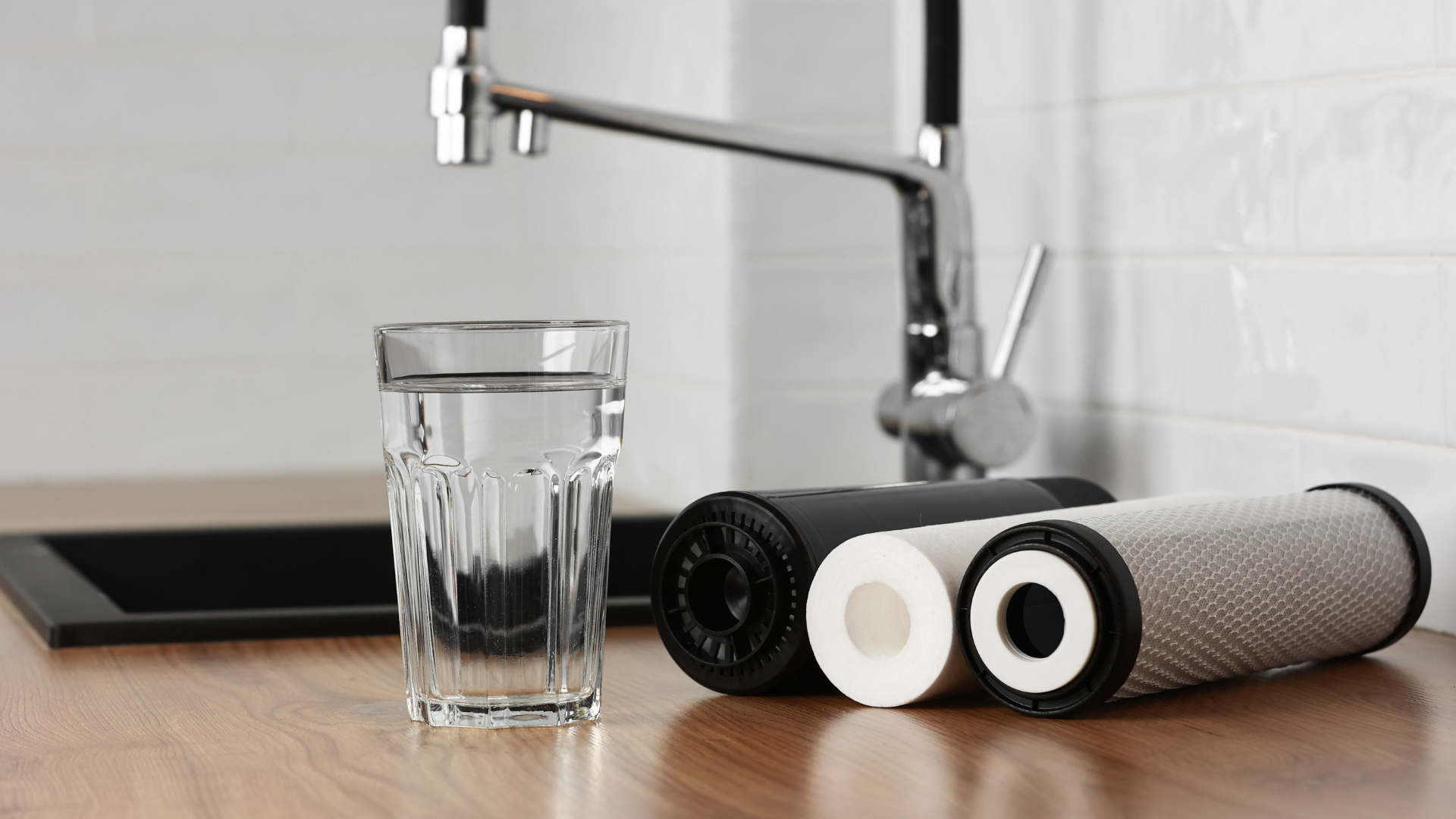
reverse osmosis systems kitchen faucet installation Leesburg VA

A lot of homeowners in Leesburg, VA start noticing water issues in small but frustrating ways. Soap that doesn’t lather well, cloudy glassware, or a strange taste in drinking water can all point to different water quality problems. The challenge is figuring out whether you need reverse osmosis systems, water softener systems, or both.


These two solutions often get confused, but they solve very different issues. One targets hard minerals in your entire home’s water supply, while the other focuses on purifying what you drink and cook with. Understanding the difference can help you avoid unnecessary costs and get better long-term results for your home.

What Do Reverse Osmosis Systems Actually Do?

How reverse osmosis systems purify drinking water

Reverse osmosis systems work by forcing water through a semipermeable membrane that removes contaminants like chlorine, lead, nitrates, and other dissolved solids. The result is cleaner, better-tasting water straight from your tap. Many Leesburg homeowners install these systems under the kitchen sink for drinking and cooking water.

Why filtration matters for daily health

Unlike basic water filtration systems, reverse osmosis systems go much further in removing microscopic impurities. This is especially helpful if your home relies on municipal water that may still carry treatment byproducts. It’s a focused solution for water purification systems at the point of use.

What Do Water Softener Systems Fix in Your Home?
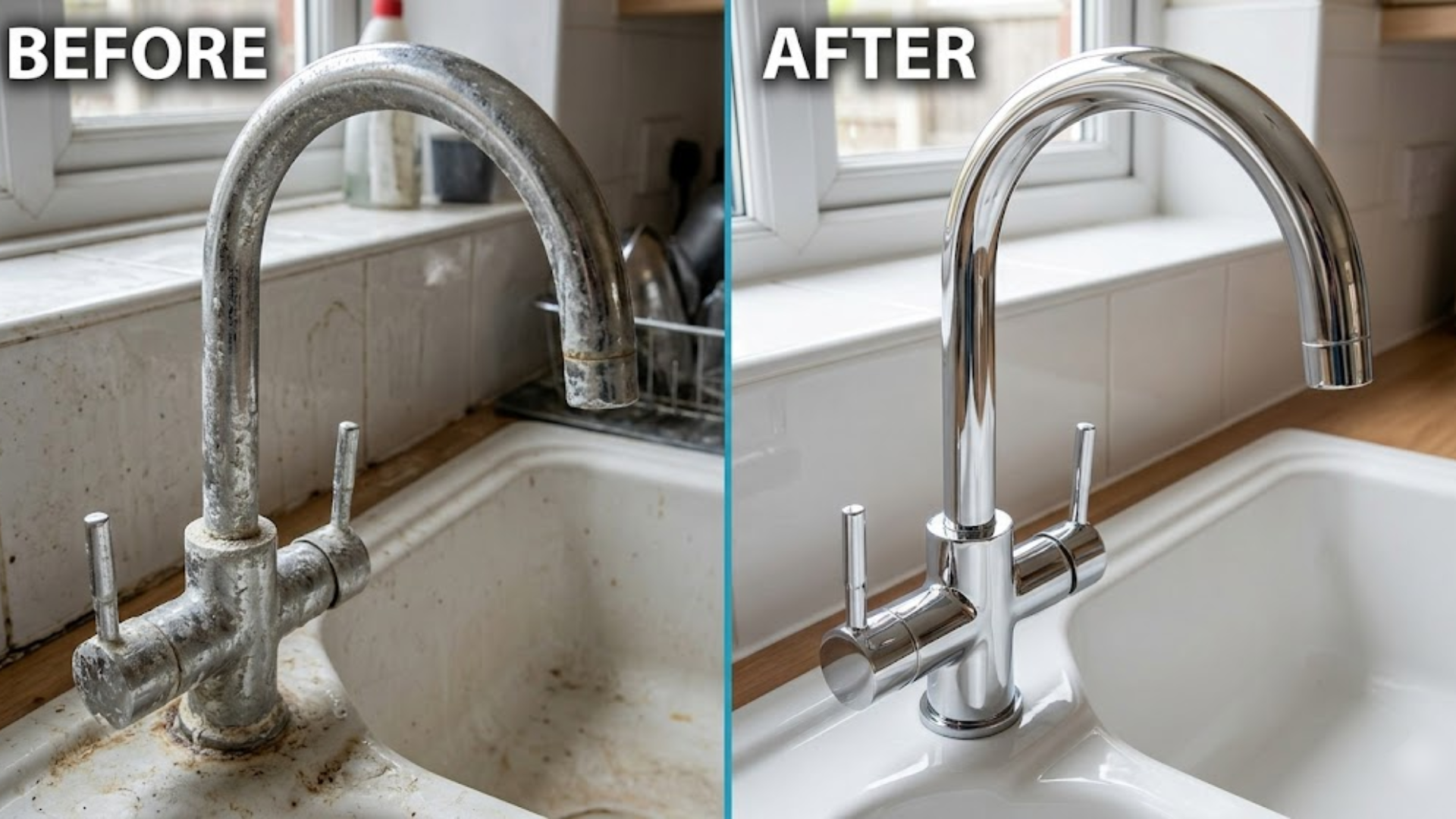
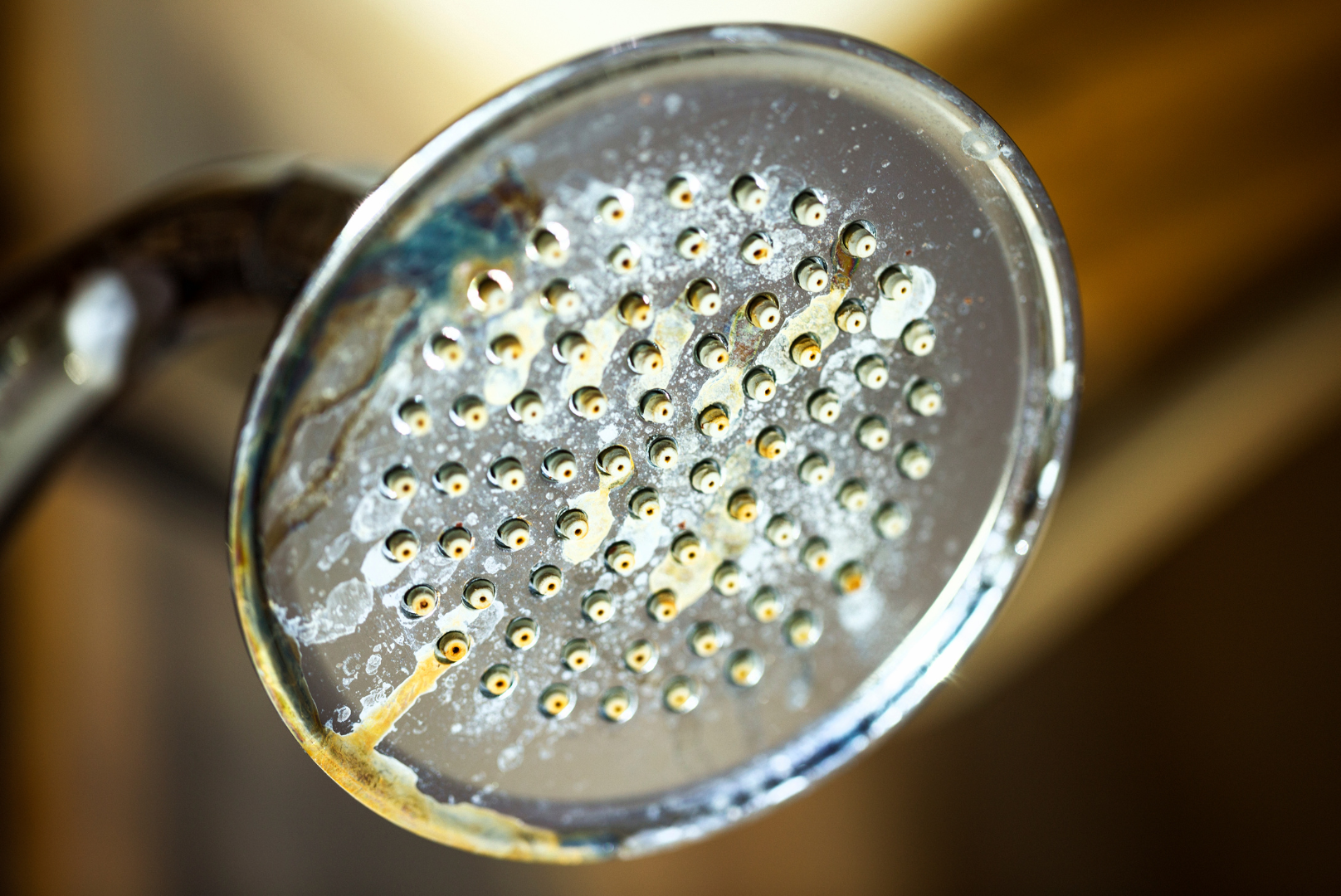
water softener systems removing hard water scale buildup

Understanding hard water and mineral buildup

Water softener systems are designed to remove calcium and magnesium from your water supply. These minerals are what cause hard water stains, scale buildup in pipes, and reduced appliance efficiency. In Leesburg, VA, hard water is a common issue that affects plumbing and household appliances over time.

Benefits of installing water softener systems

A properly installed system helps extend the life of your water heater, dishwasher, and washing machine. It also improves soap performance and reduces spotting on dishes and glass. Unlike reverse osmosis systems, this solution treats water throughout the entire home.

Reverse Osmosis Systems vs Water Softener Systems: Key Differences
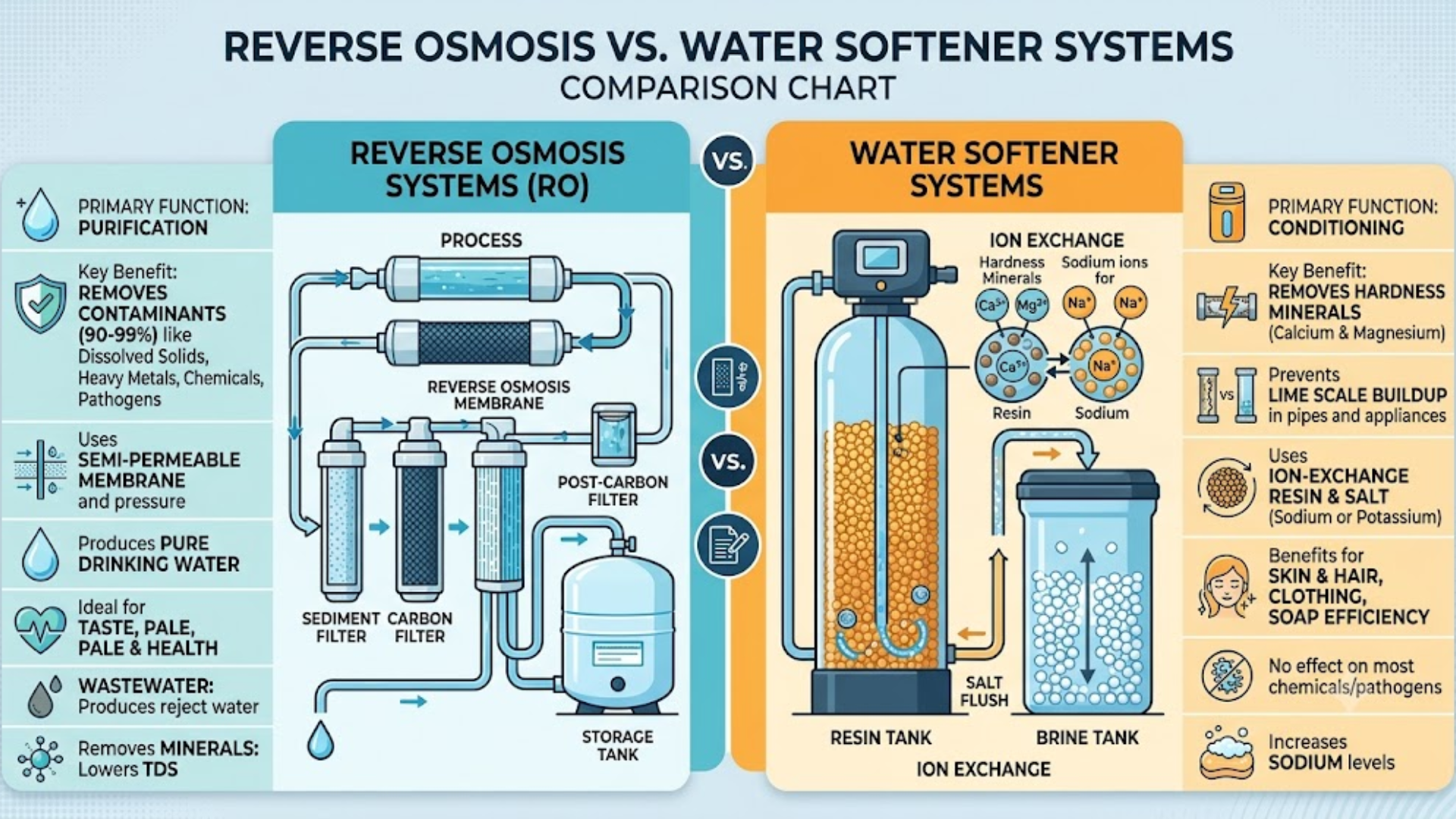
reverse osmosis vs water softener systems comparison chart

Drinking water vs whole-home treatment

Reverse osmosis systems focus on drinking and cooking water, while water softener systems treat all the water entering your home. One improves taste and purity, the other protects plumbing and appliances. Many homeowners in Leesburg choose to use both for full coverage.

Filtration systems vs softening systems

Water filtration systems and water purification systems are often point-of-use solutions. Water softener systems, on the other hand, are whole-home systems designed to handle mineral-heavy water. Knowing the difference helps you avoid installing the wrong solution for your problem.

Do You Need One System or Both in Leesburg, VA?

Signs you may need a reverse osmosis system

If your tap water tastes off, smells like chlorine, or leaves an unpleasant aftertaste, reverse osmosis systems can significantly improve drinking water quality. This is especially useful for families who cook often or rely on tap water for hydration.

Signs you may need water softener systems

If you notice soap scum, dry skin after showers, or buildup on faucets, hard water is likely the issue. In Leesburg, VA, many homes experience these symptoms and benefit more from water softener systems installed at the main line.

Local Water Quality Considerations in Leesburg, VA
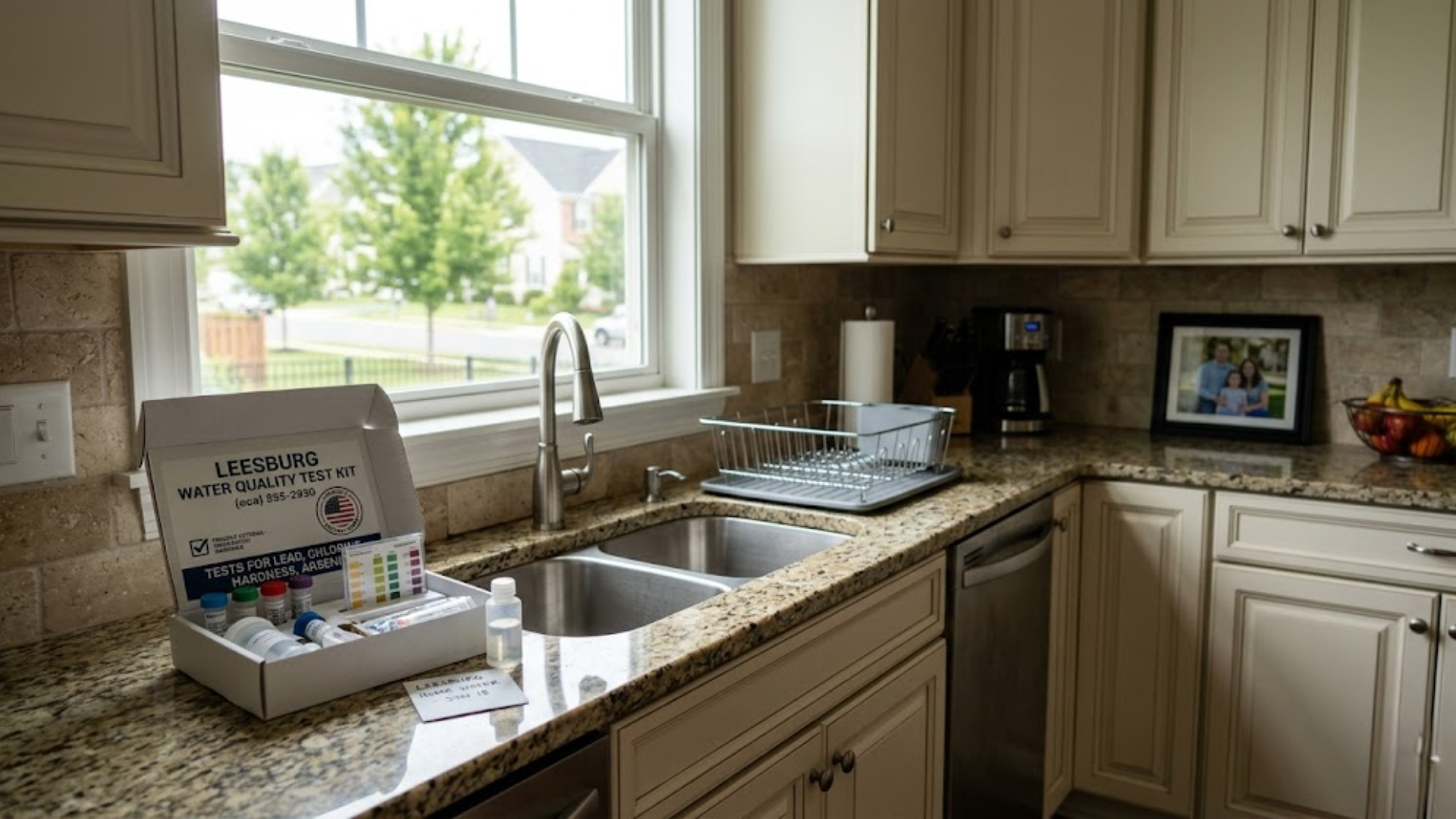
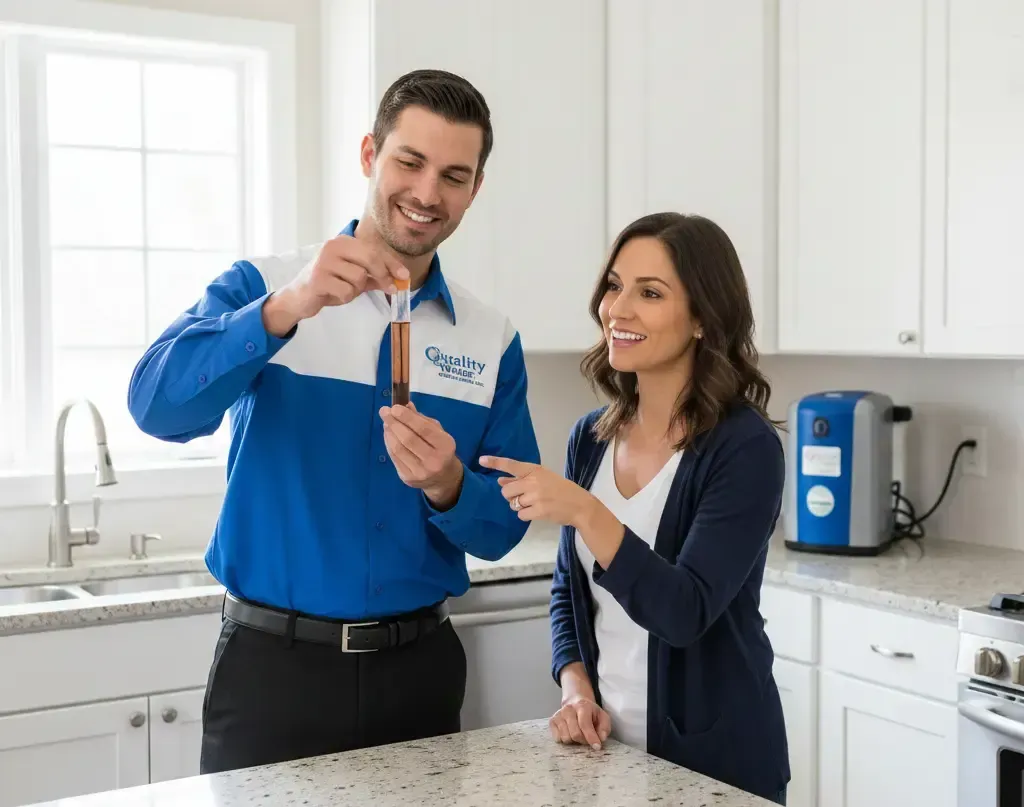
water testing kit Leesburg VA home water quality

Water in Leesburg, VA can vary depending on whether your home is connected to municipal supply or a private well system. Some homes deal more with mineral-heavy water, while others struggle with chlorine taste or trace contaminants. That’s why many homeowners combine reverse osmosis systems with water softener systems for balanced water treatment. A proper assessment helps determine the right mix of water filtration systems and water purification systems for your specific property.

Need Help Choosing the Right Water System?
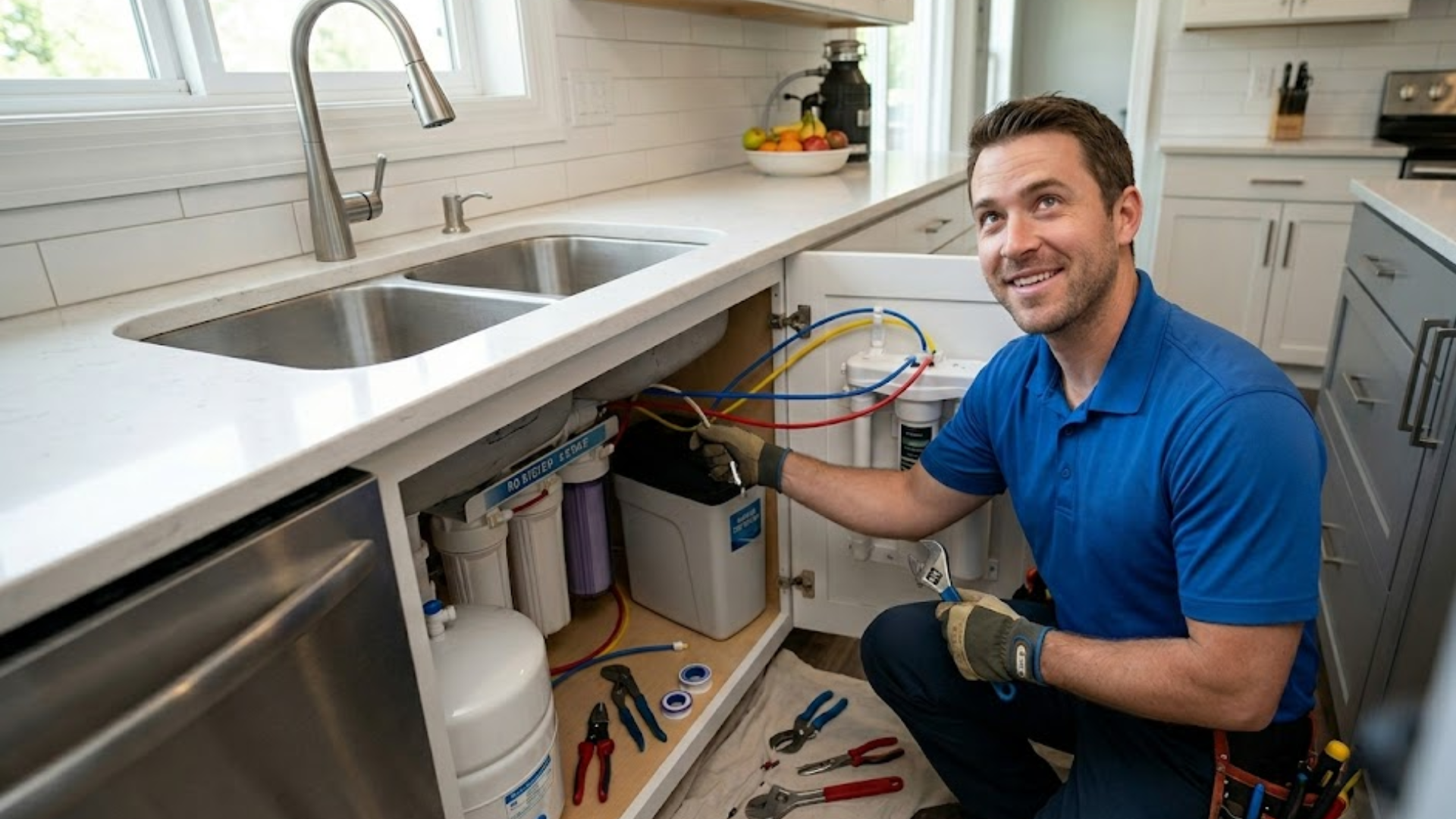
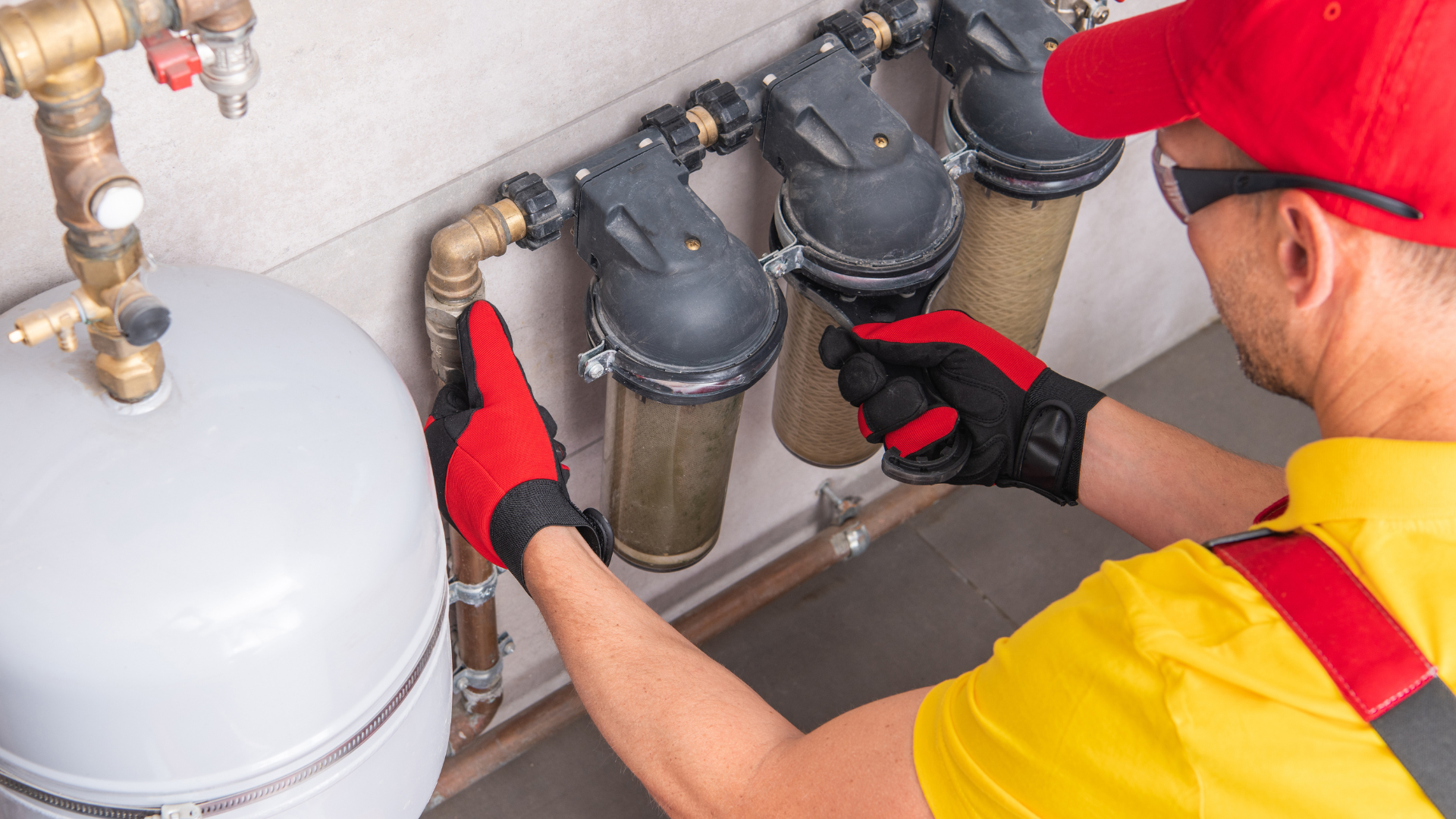
water softener and reverse osmosis installation technician

Quality Water, Inc. helps homeowners in Leesburg, VA choose between reverse osmosis systems, water softener systems, and full-home water purification systems. Call 406-660-1801 to get expert guidance and find the right solution for your water quality needs.

Frequently Asked Questions

Do reverse osmosis systems remove hard water minerals?

Reverse osmosis systems can remove some dissolved minerals, but they are not designed to treat hard water throughout your home. That’s the job of water softener systems. If hardness is your main issue, a softener is usually the better first step.

Can I install both reverse osmosis systems and water softener systems?

Yes, many homeowners in Leesburg, VA use both systems together. The softener treats all incoming water, while reverse osmosis systems handle drinking water at the tap. This combination provides full coverage for both taste and plumbing protection.

How long do water softener systems typically last?

Most water softener systems last 10–15 years with proper maintenance. Resin and control valves may need servicing over time. Regular upkeep ensures consistent performance for your home’s water supply.

Are reverse osmosis systems worth it for city water?

Yes, even treated city water can contain chlorine, sediment, and trace contaminants. Reverse osmosis systems help improve taste and provide an extra layer of water purification for drinking and cooking.


Water quality affects everything from your plumbing to your health, and choosing the right system makes a long-term difference. Whether you’re leaning toward reverse osmosis systems, water softener systems, or a combination of both, getting the right setup for your home in Leesburg, VA starts with understanding your water. For expert help, Quality Water, Inc. is ready to guide you toward the right solution. Call 406-660-1801 to get started.
A Quality Water, Inc. technician conducts a free water analysis for a Stafford homeowner
By Quality Water, Inc. December 29, 2025
Spotting limescale or dry skin? Discover the key signs of hard water in your Stafford home and what to do next. Learn how to protect your home.
November 23, 2022
The destructiveness of acidic water Acidic water? As if there weren’t enough things to fret about when it comes to water safety! Jokes aside, if you draw your water from a well or have old plumbing in your home, it might be in your best interest to learn more about water pH and particularly the dangers associated with acidic water in general. Acidic water is not only destructive to your plumbing, it can also present a severe health hazard to you and your family. So what is acidic water, and what can be done about it? In the interest of keeping you well-informed, we’ve prepared some information with you so that you aren’t left in the dark about the dangers of acidic water.
November 21, 2022
Don't be overwhelmed - we can help If you’ve been looking for water treatment solutions, you’ve likely felt overwhelmed by the different types of home water treatment options available to you. Specifically, you might have questions about the difference between water softeners and water filters, how they work, and which one is right for your home. To help you better understand these devices and make an informed decision as to which one you need, let’s take a look at water softeners and filters in depth and help you to know the difference and which one you need.
November 10, 2022
There's no easy answer So you decided to pull the trigger and invest in a water treatment system for your home. Congratulations! You’ve taken an important step to ensure the health of your family members and the longevity of your appliances. So now that you’ve got your system hooked up and your water tastes great you’re probably wondering what needs to be done to keep this system working properly. Unfortunately, the answer to this question is a little bit complicated, so let’s break it down for you so that you know exactly when you should have your water treatment system serviced.
November 3, 2022
Well water should be tested regularly Drawing water for home use from a well is an excellent way to maintain utility independence and avoid monthly water bills from your local municipality. That being said, using private well water does come with some very real drawbacks and a good deal more responsibility from the homeowners than using municipal water sources. One of the most important tasks for a well water user is to regularly test the water quality to ensure its safety for consumption, but many homeowners struggle to know the frequency with which they should have their well water tested. Let’s take a closer look at the issue and determine how often you should test your water.
October 28, 2022
Hard Water Causes a Host of Problems If you are among the estimated 85% of Americans who have hard water, you know what a pain it can be to deal with. Between the film on your skin after bathing, soap scum stains on your dishes, and your laundry just never quite getting clean, hard water is the bane of homeowners all over the country. Hard water isn’t just a minor annoyance. Limescale buildup can clog shower heads and given enough time, it can destroy appliances including washing machines, water heaters, and dishwashers. So what is to be done when hard water is giving you a headache? Let’s go through a few different things that can be done to address this annoyance.
October 20, 2022
Water Safety is a Priority As a homeowner, your top priority is always making sure that everyone residing in your home is safe and healthy. Whether you’re a landlord, a family of five, or a happy parent to dogs and cats, the safety and purity of the water in your home is an essential part of this imperative. Given recent high-profile coverage of water contamination, water safety is likely on your mind now more than ever. Fortunately for all of us, modern technology has afforded us several effective ways to treat our home water and ensure its safety for drinking, bathing, and cleaning. At the same time, you might find yourself wondering which option is best for you. Let’s take a closer look at four common types of water treatment systems and examine which might be right for you.
October 13, 2022
You Don't Have to Settle for Hard Water Hard water is perhaps the most common water issue in the United States of America. Affecting as much as 85% of the population, hard water is a daily source of irritation for hundreds of millions of Americans. Unfortunately, much of the populace at large seems to just acquiesce to the presence of heavy minerals dissolved in their drinking and bathing water without exploring the options that are available to them. The best fix for hard water, especially if you draw your own private water through a well, is the installation of a water softener in your home. Let’s take a look at five advantages of having a water softener in your home.
October 6, 2022
At the risk of stating the obvious, the quality of your water is extremely important to the health of your home and the people who live there. Several different factors go into determining water quality, including the sourcing of water, environmental elements, and the conditions of the plumbing systems that carry the water into your home. 
September 29, 2022
Hard water is a term that is thrown around a lot, but is poorly understood by the average person. Given that it sounds like the name of a heavy metal band, it’s easy to understand why many people feel disturbed when the lab testing on their tap reveals that their water is hard.