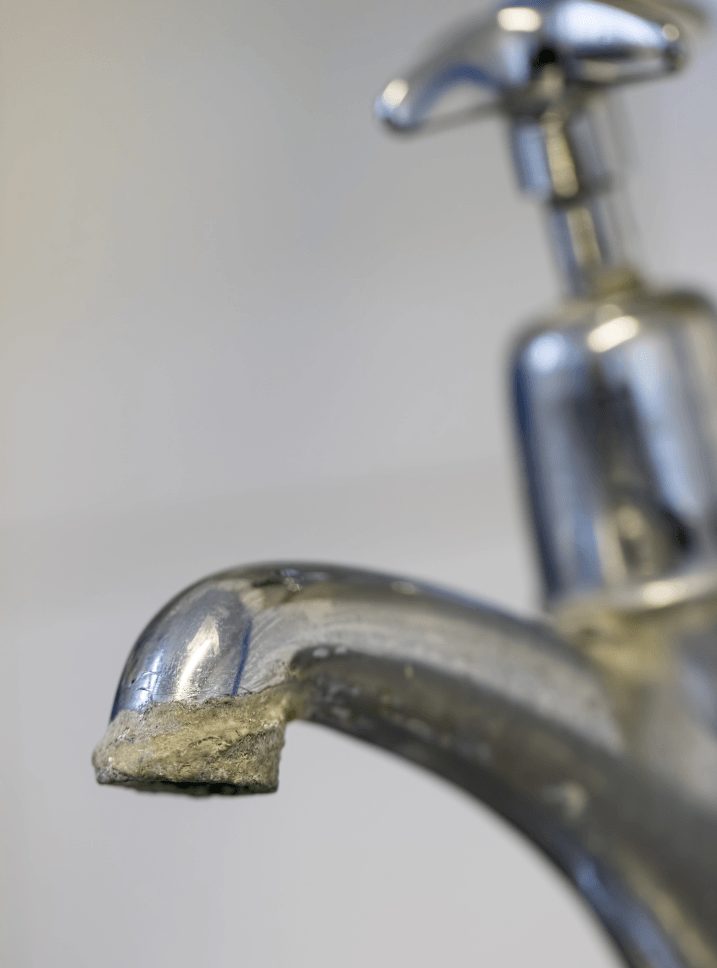
Hard water is a term that is thrown around a lot, but is poorly understood by the average person. Given that it sounds like the name of a heavy metal band, it’s easy to understand why many people feel disturbed when the lab testing on their tap reveals that their water is hard.
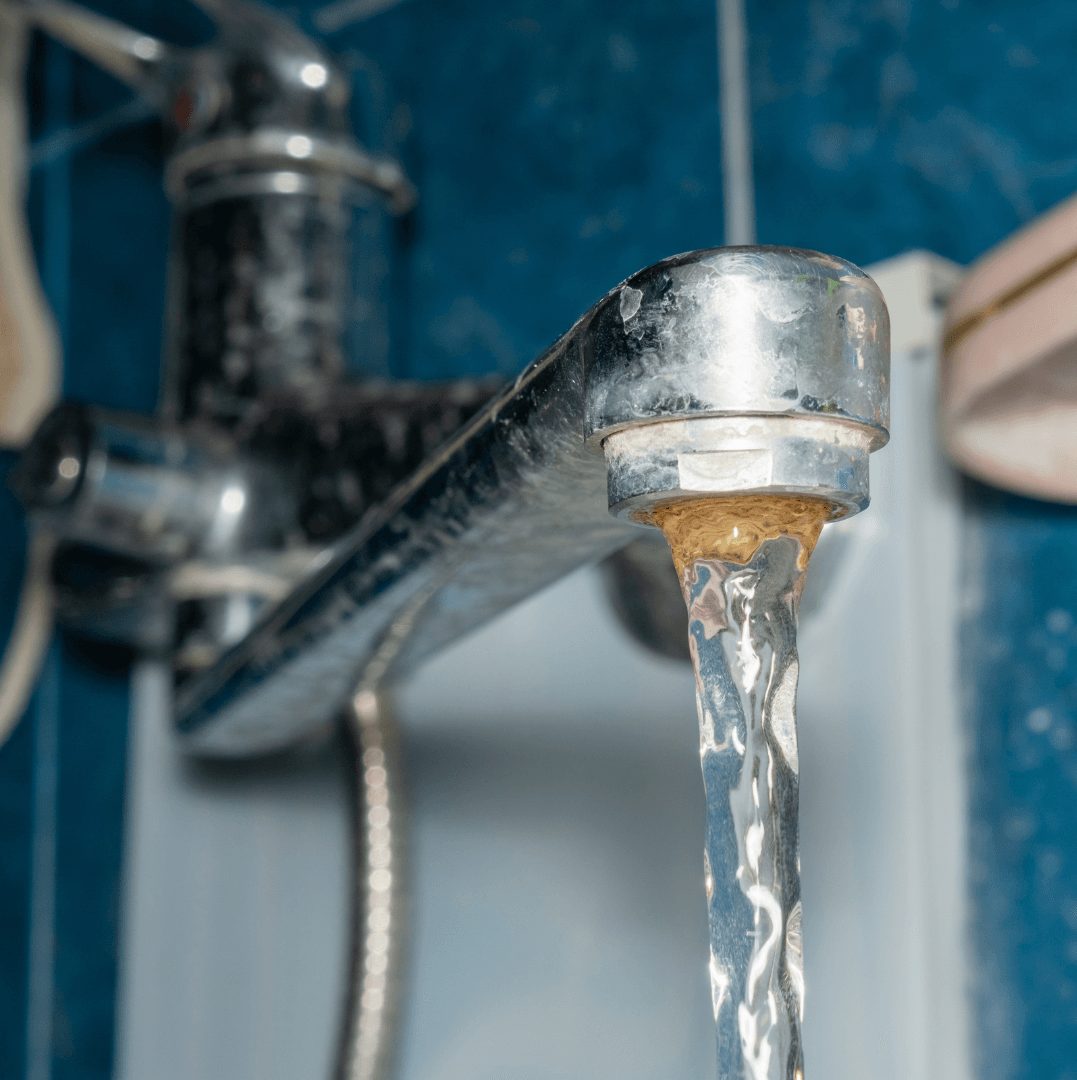
So what exactly is hard water? Let’s take a look at what it is, its potential effects on health and property, and what kind of solutions are available to homeowners.
What Is Hard Water?
The simplest explanation is that hard water is designated as such based on the presence of dissolved calcium and magnesium carbonates.1 Water containing less than 61 mg/L of calcium and magnesium carbonate is called soft water, while the presence of more than 61 mg/L is hard water. Hard water is further aggregated into moderately hard, regular hard, and extremely hard.
Hard water is caused by groundwater moving through soil and porous rocks such as limestone. Water is an excellent solvent for calcium and magnesium, so small amounts of these minerals leach into it and remain suspended as a solution.
Hard water is most prevalent in private wells, but also is found in municipal water sources. An estimated 85% of all drinking water in the US is at least moderately hard.2
What Are the Effects of Hard Water?
It should first be noted that most hard water is perfectly safe for drinking. You may even read that hard water could be a good source of minerals as both calcium and magnesium are important dietary supplements in humans.3 But that’s not the whole story. Research has suggested that drinking water that is extremely hard for long periods of time may contribute to serious health issues including cardiovascular disease, growth retardation, and reproductive failure.4 (Once again, the vast majority of hard water is safe for human consumption. Only the most severe cases of hard water carry these health risks.) Additionally, people with sensitive skin due to conditions, such as eczema, may find hard water to be irritating to their skin.5